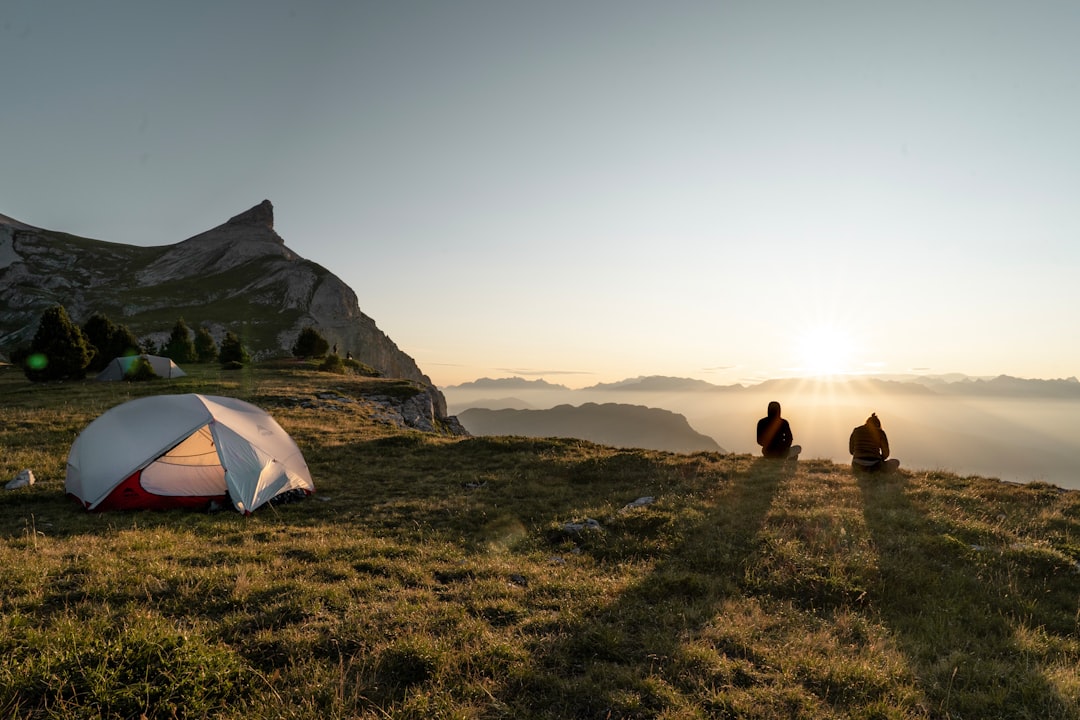
Once upon a time, in a world filled with buzzing phones and endless email notifications, there lived a city dweller named Jamie who decided it was time to venture into the great outdoors. Inspired by countless Instagram posts of picturesque campsites and starlit skies, Jamie, a self-proclaimed indoor enthusiast, was ready to trade concrete for the comforting embrace of nature. Little did Jamie know, the journey would be as humorous as it was enlightening. With a backpack filled with an assortment of survival gear (most of which were still in their packaging), Jamie set off on the much-anticipated camping trip. Armed with an online guide titled ‘Camping for Dummies,’ the first lesson was quickly learned: the art of pitching a tent. After what felt like hours of wrestling with tent poles that seemed to have a mind of their own, Jamie finally managed to erect what could only be described as a lopsided igloo. The proud moment was short-lived as a gentle breeze tested the structural integrity of the newly established abode, causing it to collapse faster than a house of cards. Once the tent fiasco was sorted with the help of a kindly seasoned camper, it was time to gather around the campfire. Jamie had romanticized the idea of roasting marshmallows under the stars, but reality had a different plan. Lighting a fire proved to be an adventure of its own. With every strike of the match, the kindling refused to catch fire, and the frustration grew palpable. Eventually, after several failed attempts and a minor singed eyebrow, the campfire roared to life, eliciting cheers from neighboring campers who had been secretly rooting for Jamie’s success. As the night unfolded, the symphony of crickets and rustling leaves provided the perfect backdrop for the night’s main event: a makeshift gourmet meal prepared on a portable stove. Jamie, equipped with limited culinary skills and a can of beans, embarked on creating a culinary masterpiece. The beans were promptly incinerated, but the charred offering was celebrated as a testament to the spirit of adventure. Lying under a blanket of stars, with the laughter of newfound camping friends echoing in the night, Jamie realized that the real magic of camping wasn’t in the perfection of the experience but in the stories that came from its imperfections. The spilled hot chocolate, the surprise raccoon visit, and the serenade of howling winds were not obstacles but the ingredients of an unforgettable escapade. Camping, it turns out, is less about mastering survival skills and more about embracing the unexpected, finding joy in mishaps, and connecting with nature and fellow adventurers. As the sun rose on a new day, Jamie packed up the tent with a newfound appreciation for the unpredictable charm of the outdoors, already planning the next adventure—armed with a few extra tent pegs and a slightly better understanding of fire-making. And so, dear readers, if you ever find yourself drawn to the call of the wild, remember to pack your sense of humor along with your sleeping bag. Because, in the end, the best camping stories are the ones that make you laugh long after you’ve left the campsite.

Discovering the Unseen: An Eco-Friendly Travel Odyssey
In a world that’s constantly buzzing with the latest travel destinations, there’s a quiet revolution brewing beneath the surface—a movement that doesn’t just aim to explore the world, but to protect it. Welcome to the realm of eco-friendly travel, where the journey is as important as the destination. Gone are the days when travel was merely about ticking off countries from a bucket list. Today’s travelers are more conscious, more thoughtful, and more eager to ensure that their wanderlust doesn’t come at the cost of the planet. Imagine stepping off the beaten path to uncover the hidden gems that are often overshadowed by their more popular counterparts. These places aren’t just breathtaking—they’re sustainable. From the lush, unspoiled landscapes of Costa Rica’s national parks to the serene, community-led lodges in the heart of Tanzania, eco-friendly travel allows you to immerse yourself in nature while leaving a positive impact. The journey starts with the mindset. It’s about embracing slow travel. Instead of hopping on multiple flights to tick off countries, consider staying longer in one place. This not only reduces your carbon footprint but also gives you a chance to deeply connect with the local culture. Opt for train travel where possible; it’s not only more sustainable but also offers a scenic way to experience the landscape. Accommodations play a significant role in eco-friendly travel. Look for lodgings that prioritize sustainability—think solar-powered hotels, accommodations that use rainwater harvesting, and those that have robust recycling programs. Some places even go a step further by growing their own organic food or engaging guests in local conservation efforts. This approach transforms your stay from just a resting place into an integral part of your travel experience. Activities on an eco-friendly journey can range from volunteering at a local wildlife sanctuary to learning traditional crafts from indigenous communities. It’s about choosing experiences that contribute to the preservation of the local environment and culture. These activities provide a richer, more rewarding experience than the usual tourist traps. Traveling sustainably also involves being a conscious consumer. Support local businesses, eat locally-sourced food, and be mindful of your waste. Remember that every small decision adds up to make a big difference. Eco-friendly travel isn’t just a trend; it’s a necessary evolution in how we explore the world. As travelers, we have the power to protect the places we love by making responsible choices. So the next time you set out on an adventure, consider not just where you’re going, but how you’re getting there and what you can do to ensure those places remain vibrant and beautiful for generations to come. In the end, eco-friendly travel is about respect—respect for the planet, for its people, and for the incredible experiences it offers. It’s a journey worth embarking on, where the memories you make are not only unforgettable but also sustainable.
The Great Outdoors: An Inspirational Guide to Eco-Friendly Adventures
The call of the wild has never been louder. As more people seek solace and adventure in the great outdoors, there’s a growing movement towards eco-friendly travel. But how do you enjoy nature’s beauty without leaving a negative impact on the environment? Here’s your guide to embarking on sustainable outdoor adventures. The first step to eco-friendly travel is to leave no trace. This principle encourages outdoor enthusiasts to minimize their impact by following guidelines like disposing of waste properly, respecting wildlife, and staying on designated trails. These simple practices ensure that natural spaces remain pristine for future generations to enjoy. Opting for eco-friendly gear is another way to minimize your footprint. Many outdoor brands now offer sustainable products made from recycled materials or organic fibers. Investing in quality gear that lasts also reduces waste over time. Consider your mode of transportation. Carpooling, using public transportation, or choosing destinations closer to home can significantly reduce your carbon emissions. For those who love cycling, consider bike touring as a way to explore new landscapes while staying active. When it comes to accommodations, look for eco-friendly options such as campsites, eco-lodges, or green-certified hotels. These establishments often use renewable energy sources, water-saving fixtures, and locally sourced materials, making your stay more sustainable. Dining can also be an opportunity to make eco-conscious choices. Support local, organic, and farm-to-table restaurants, or pack your own meals using locally sourced ingredients. Remember to bring reusable utensils and containers to minimize single-use plastics. Participating in conservation efforts during your travels can be a rewarding experience. Many national parks and reserves offer volunteer programs that allow you to contribute to preservation efforts while learning more about the local ecosystem. Educate yourself and others about the importance of preserving our natural world. Share your experiences and knowledge with fellow travelers and inspire them to adopt sustainable practices. By creating a community of conscious adventurers, we can collectively work towards a healthier planet. Sustainable outdoor adventures not only protect the environment but also offer a deeper connection with nature. They remind us of the beauty and fragility of our world and the responsibility we have to safeguard it. By making small changes in how we explore the outdoors, we can ensure that these experiences remain available for generations to come. So, as you lace up your hiking boots or pack your camping gear, remember that every choice you make can contribute to a more sustainable future. The great outdoors is calling, and with eco-friendly practices, you can answer that call in a way that honors and preserves the planet.
Wanderlust on a Budget: Discovering the World Without Breaking the Bank
Traveling the world is a dream many of us share, but often, the reality of limited budgets can make it seem unattainable. Yet, there are countless ways to explore the globe without draining your bank account. Whether you’re a student, a young professional, or someone planning a much-needed getaway, here are some budget-friendly tips to fuel your wanderlust. First and foremost, be flexible with your travel dates. Flights and accommodations can vary significantly in price depending on the season and day of the week. Consider traveling during the off-peak seasons when prices are lower, and attractions are less crowded. Websites like Skyscanner and Google Flights offer flexible date searches to help you find the best deals. Accommodations don’t have to be pricey. Hostels, guesthouses, and even couchsurfing are excellent options for budget travelers. Hostels, in particular, offer the chance to meet other travelers and often have kitchens, allowing you to save on dining out. Airbnb can also be a cost-effective option, especially if you’re traveling with a group and can split the cost. Public transportation is your friend. Many cities offer day passes or travel cards that provide unlimited access to buses, trains, and trams. Not only is public transport usually cheaper than taxis, but it also gives you a more authentic experience of the place you’re visiting. In some countries, overnight buses or trains can also save you a night’s accommodation. Eating like a local is not only budget-friendly but also an excellent way to immerse yourself in the culture. Street food is often much cheaper than restaurant meals and offers a taste of authentic local cuisine. Farmers’ markets and grocery stores are also great for stocking up on snacks and picnic supplies. If you’re planning to visit museums and attractions, look for city passes or tourist cards that offer discounted or free entry to multiple sites. Many museums also offer free admission days or reduced rates for students and seniors. Another fantastic way to save money while traveling is by working or volunteering in exchange for accommodation and food. Websites like Workaway and WWOOF connect travelers with hosts worldwide, offering opportunities to work on farms, teach English, or help with various projects. Remember, traveling on a budget doesn’t mean you have to sacrifice experiences. It’s about finding creative ways to stretch your dollars while still enjoying everything a destination has to offer. By prioritizing what’s most important to you, whether it’s food, culture, or adventure, you can tailor your trip to fit your budget. Ultimately, the key to budget travel is to be open to new experiences and ready to embrace the unexpected. With a bit of planning and a lot of curiosity, you can make your travel dreams a reality without emptying your wallet. So pack your bags, grab your passport, and set off on an adventure that will enrich your life in more ways than you can imagine.
Exploring the Great Outdoors: How to Adventure on a Shoestring Budget
The allure of the great outdoors is undeniable, with its promise of freedom, exploration, and the chance to reconnect with nature. However, the misconception that outdoor adventures require deep pockets often holds people back. Let’s dispel this myth by diving into the art of budget-friendly exploration. First and foremost, planning is your best friend. Researching free or low-cost national parks, local trails, and camping sites can yield surprising gems. Many national parks offer free entrance days throughout the year, so timing your visit can save a substantial amount. Additionally, lesser-known state parks often have lower entrance fees while offering comparable beauty and tranquility. When it comes to gear, borrowing or renting is an excellent strategy. Ask friends or family if you can borrow equipment, or explore online rental options. Websites and local outdoor stores frequently offer affordable rentals on everything from tents to kayaks. If you’re planning multiple trips, investing in second-hand gear from thrift stores or online marketplaces can also be economical. Food is another area where costs can balloon. Preparing meals at home before your trip not only saves money but also ensures you have nutritious options available. Think homemade granola bars, sandwiches, and ready-to-cook pasta dishes. If you’re camping, a small portable stove can be a lifesaver, allowing you to whip up hot meals without breaking the bank. Transportation can be tricky, but with a bit of creativity, you can navigate this challenge. Carpooling with friends or using ride-sharing apps can split the cost of fuel. Alternatively, public transportation to the starting point of your adventure is a cost-effective and eco-friendly choice. Accommodation doesn’t have to be expensive either. Embrace the true spirit of adventure by camping. Not only is it typically cheaper than hotels, but it also offers a unique way to immerse yourself in nature. Many parks offer budget-friendly camping options, and with a little research, you can find sites that cater to all levels of camping experience. In terms of activities, prioritize free or low-cost options that offer rich experiences. Hiking, swimming in natural lakes, or bird watching are fantastic ways to enjoy the outdoors without spending a dime. Many parks and outdoor areas host free workshops or guided tours, providing an educational component to your adventure. In conclusion, exploring the great outdoors on a budget is not only possible but can also be incredibly rewarding. By being resourceful, planning ahead, and embracing simplicity, you can embark on unforgettable adventures without financial stress. So grab your map, pack your bags, and get ready to discover the wonders that await you beyond your doorstep.
Journey to the Unconventional: Discovering Hidden Travel Gems on a Budget
Traveling doesn’t have to be a grandiose affair reserved for the well-heeled and elite. In fact, some of the most enriching experiences come from venturing off the beaten path, where the road less traveled often leads to discovery, authenticity, and affordability. This blog will delve into the art of budget-friendly travel, revealing how to uncover hidden gems without breaking the bank. Let’s begin by challenging the notion that travel must be expensive. A plethora of resources and techniques can make your travel dreams come true without maxing out your credit card. First, consider alternative accommodations like hostels, couchsurfing, or home exchanges. These options not only save money but also provide a unique glimpse into local life. Websites like Couchsurfing.com and HomeExchange.com offer platforms where you can connect with locals willing to share their homes with fellow travelers. Transportation can also be one of the heftiest expenses when traveling, but there are plenty of ways to minimize these costs. Embrace the idea of slow travel by using trains or buses, which are often cheaper than flying and allow you to experience the scenery at a leisurely pace. If flying is necessary, flexibility is your best friend. Use fare comparison tools like Google Flights or Skyscanner to find the best deals, and consider flying mid-week or at off-peak times to save money. Another savvy tip is to embrace the concept of ‘voluntourism.’ This growing trend allows you to travel affordably while giving back to the communities you visit. Many organizations offer programs where you can volunteer in exchange for room and board. From teaching English in rural Thailand to working on an organic farm in Costa Rica, these opportunities provide immersive cultural experiences that are both rewarding and economical. Once you’ve arrived at your destination, the adventure truly begins. Rather than splurging on tourist traps, dive into local markets, street food stalls, and free walking tours. These options not only save money but offer authentic tastes and tales of the culture you’re exploring. Many cities also offer free or low-cost attractions such as museums, parks, and festivals that provide a deeper understanding of the locale without a hefty price tag. Don’t underestimate the power of social media and travel forums. Platforms like Reddit and Facebook have groups dedicated to budget travel where you can seek advice and share experiences with like-minded travelers. Often, locals or seasoned travelers will offer tips on lesser-known attractions or hidden gems that don’t appear in mainstream travel guides. Lastly, keep an open mind and be adaptable. Travel, at its core, is about exploration and learning. By embracing a flexible approach, you’ll find that the world is full of surprises, and sometimes the most memorable moments are those you stumble upon by chance. In conclusion, budget-friendly travel is not just possible but can be immensely rewarding. With a little research, creativity, and willingness to explore the unconventional, you can embark on a journey that enriches your soul and keeps your wallet intact. So, pack your bags, set your sights on the unknown, and prepare for an adventure that promises to be as unforgettable as it is affordable.